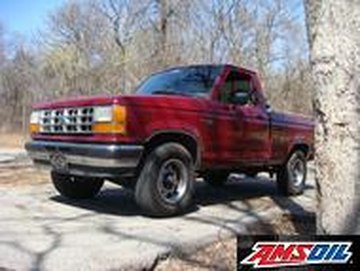
Maintaining Lubrication Integrity for the 1982 Ford Trucks BRONCO 5.0L
Proper engine maintenance is a cornerstone of long-term vehicle health, particularly for a classic utility vehicle like the 1982 Ford Trucks BRONCO 5.0L. As mechanical components age, the importance of high-quality lubrication and consistent inspection routines increases. Maintaining the internal environment of the engine requires more than just periodic fluid changes; it involves a proactive approach to monitoring seals, hoses, and overall system integrity.
Monitoring Fluid Condition and Potential Seepage
One of the most effective ways to monitor the health of an engine is through regular visual inspections for fluid loss. For a vehicle of this era, checking for signs of seepage or active leaks is a fundamental task. Rather than waiting for a significant puddle to form under the vehicle, owners should look for dampness or staining around various sealing surfaces and gaskets.
When performing these checks, pay close attention to the following areas:
- Gaskets and Seals: Inspect accessible gaskets and seals for signs of age-related seepage. Even a small amount of oil residue can indicate that a seal is beginning to lose its effectiveness.
- Drain Areas: Check the area around the oil drain plug and the filter mounting surface to ensure there is no weeping or slow leakage during or after service.
- External Components: Look for any evidence of fluid traveling along the exterior of the engine block, which can often point toward a specific source that warrants further investigation.
It is important to remember that visible oil residue can have multiple causes. A small amount of seepage might be related to an aging seal, or it could simply be residual oil from a previous service. However, consistent monitoring allows you to identify changes in behavior before they escalate into more significant mechanical concerns.
Observing Changes in Engine Operation
Beyond visual inspections, the way the engine behaves during operation provides critical feedback regarding its lubrication status. Owners should remain attentive to any new or unusual sensations while driving or idling.
Changes in lubricant consumption are a primary indicator that requires attention. If you notice that you are needing to add oil more frequently than usual, this warrants an investigation into the engine's current state. Similarly, changes in the appearance of the oil on the dipstick—such as an unusual color or texture—can be indicative of contamination or thermal breakdown.
Unusual mechanical noises can also be associated with lubrication issues. If the engine exhibits sounds that were not previously present, it may indicate that the lubricant is not performing its role effectively under certain conditions. Because symptoms like noise or smoke can stem from various mechanical sources, they should be treated as prompts for a professional diagnostic check rather than definitive proof of a single component failure.
Prioritizing Maintenance Based on Current Condition
For an older vehicle, maintenance decisions are often most effective when they are based on the actual condition of the components rather than just the age of the vehicle. While time is a factor in the degradation of rubber and various seal materials, every vehicle's history and usage pattern will differ.
A practical approach to long-term ownership involves establishing a maintenance baseline. If you do not have access to comprehensive service records from previous owners, your first priority should be to document the current state of all fluids, filters, and visible mechanical components. Once this baseline is established, you can more easily identify when a component is actually changing or when a fluid's condition is deteriorating.
When managing maintenance tasks, address active concerns first. If an inspection reveals an active leak or if the engine shows signs of unusual consumption, these should take precedence over general preventive measures. This condition-based approach ensures that resources are directed toward the areas of the vehicle that require the most immediate attention.
Inspecting Auxiliary Engine Components
While the lubrication system is a primary focus, other components that interact with the engine environment also require regular oversight. For example, if equipped, accessible drive belts should be inspected for signs of wear such as cracking, glazing, or fraying. Similarly, any present hoses should be checked for softness, swelling, or visible cracks that could lead to a loss of pressure or fluid.
Electrical connections and wiring harnesses near the engine should also be examined. Over time, heat cycles can affect the integrity of electrical connectors, potentially leading to inconsistent sensor readings or other electrical issues. Keeping these components clean and free of excessive debris is a simple but effective way to support overall engine reliability.
The Role of Effective Lubrication
Engine oil performs several vital roles that are essential for the continued operation of the 5.0L engine. Beyond simply reducing friction between moving parts, the lubricant plays a significant role in managing the thermal environment within the engine. It helps to carry heat away from high-temperature zones, assisting the cooling system in maintaining stable operating temperatures.
Furthermore, modern lubricants are designed with additives that help manage the buildup of deposits and oxidation products. Maintaining clean oil helps prevent the formation of sludge, which can otherwise interfere with the smooth operation of various internal components. By ensuring the lubricant remains within its effective service life, you help maintain the engine's ability to operate efficiently and reliably.
Practical Guidance for Buying Engine Oil for your 1982 Ford Trucks BRONCO 5.0L
When it is time to replenish your engine oil, the most important step is to ensure that the product you select matches the specific requirements of your application. Do not rely on general assumptions about what an older vehicle might need; instead, refer directly to the application-specific viscosity and lubricant information provided on this webpage.
As you shop for products, keep these practical tips in mind:
- Verify the Label: Always check the product packaging to confirm that the SAE viscosity matches the information listed above.
- Consider Formulations: Depending on your specific needs and the current condition of your engine, you may choose between conventional, synthetic blend, or full synthetic oils. Some high-mileage oil formulations also contain additives intended for use in aging engines, including seal-conditioning additives.
- Check Certifications: Ensure the oil meets the appropriate API service classifications to guarantee it provides the necessary level of protection and deposit control.
- Avoid Guesswork: Never assume a specific grade is correct based solely on the vehicle's age or engine size. Match the lubricant strictly to the application-specific data displayed here.